
Audience: Nurses and Front Desk Staff
Purpose: Outline the importance and process of discharging patients in compliance with healthcare regulations.
Why Discharge Matters
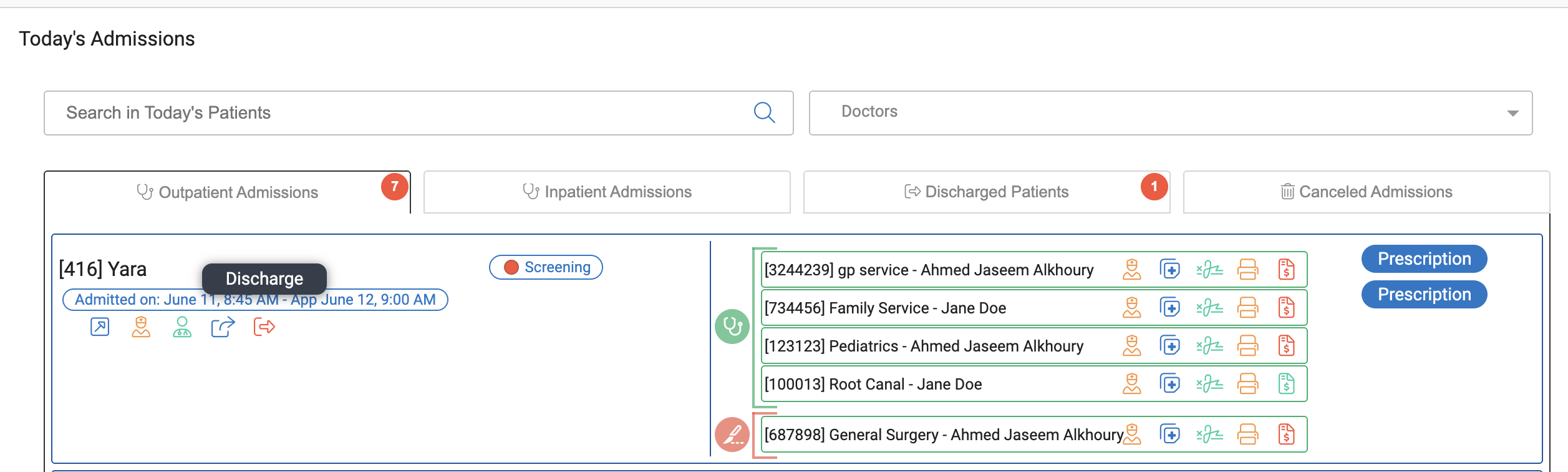
Discharging a patient in Helix indicates that the patient has left the clinic.
This is a mandatory requirement by Healthcare Authorities and essential for:
-
Clinical record accuracy
-
Operational reporting
-
Regulatory compliance
-
Preventing overnight stay records in outpatient clinics
Who Is Responsible for Discharging Patients?
-
Ideally: The last person who interacted with the patient (e.g. nurse, doctor, or cashier)
-
In most clinics: The reception or front desk team typically performs the final discharge step
What Happens After Discharge?
-
Doctors retain access to edit clinical notes for up to 48 hours (for medico-legal compliance)
-
Nurses can access the screening page for up to 24 hours post-discharge
-
All documentation remains visible in the EMR
Discharge Best Practices
-
Do not delay discharge once the patient leaves the clinic
-
Always ensure:
-
All screening data is saved
-
All consumables are issued
-
All consents are signed
-
-
Coordinate with reception if unsure who should complete discharge
Additional Notes
-
Patients in outpatient settings must not remain marked as admitted overnight
-
Failing to discharge on time may trigger audit flags or compliance issues
-
Use real-time status tracking and coordination with your team to ensure smooth handoffs